
Shipping Lithium Batteries by Air
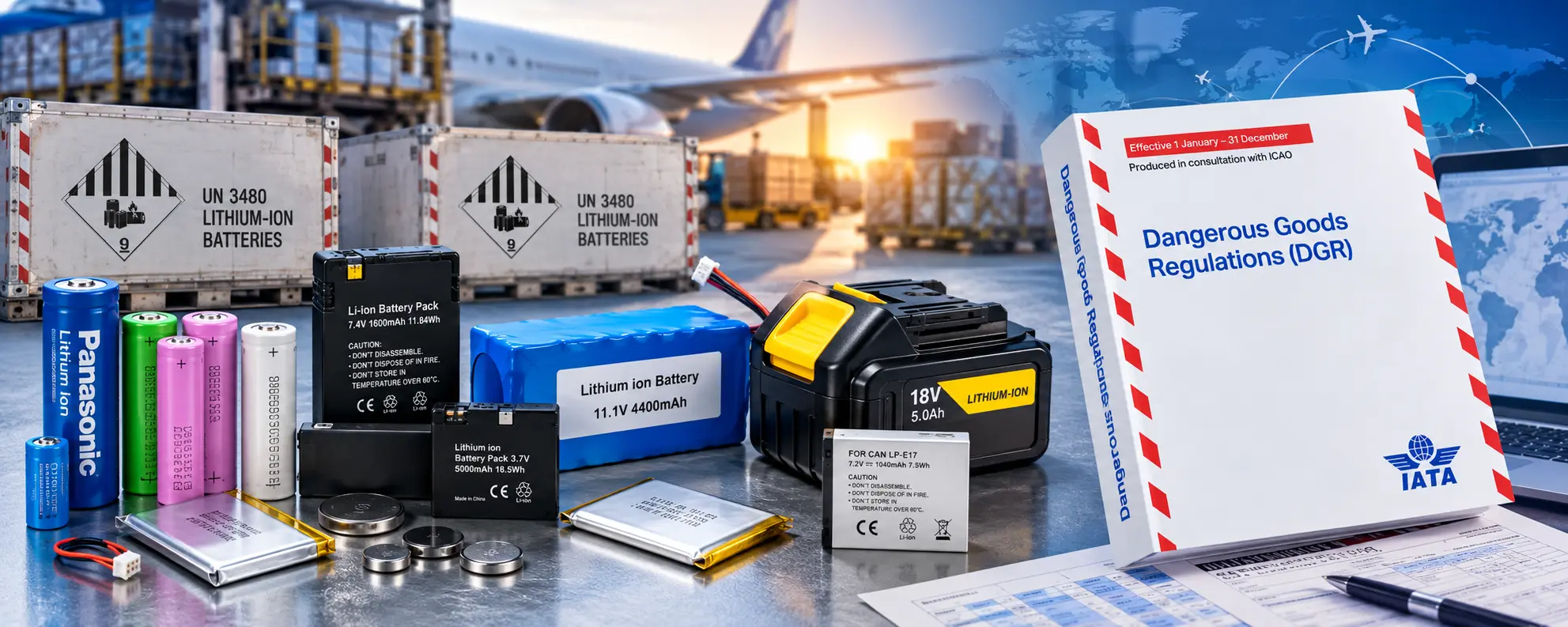
Lithium Battery Shipping – Air Consignor Training
CAA approved two-day certification course
Lithium batteries are used in everything from mobile phones and laptops to medical equipment, power tools, e-bikes and electric vehicles. When damaged, defective, incorrectly packaged or short-circuited, they can overheat, catch fire and present a serious risk to an aircraft.
RoadSafe Europe’s two-day Lithium Batteries by Air course provides the specialist knowledge and practical skills required to prepare lithium ion and lithium metal batteries for air transport.
The course is approved by the UK Civil Aviation Authority and based on the current IATA Dangerous Goods Regulations. It concludes with an open-book examination and the award of a CAA-approved certificate to successful candidates.
· Per person: £395 + VAT
· In-house: From £1000 + VAT. Contact us for a per-course quotation.
Course details
- Duration: Two days
- Approval: UK Civil Aviation Authority approved
- Regulations: Current IATA Dangerous Goods Regulations
- Delivery: RoadSafe Europe’s Southampton training centre
- On-site delivery: Available throughout the UK
- Assessment: Open-book examination
- Certification: Valid for 24 months
- Course materials: Included
Who should attend
The course is intended for personnel responsible for preparing, packing, marking, labelling, documenting, checking or offering lithium battery consignments for transport by air.
Suitable delegates may include employees working for:
- Battery manufacturers and distributors
- Electronics manufacturers and retailers
- Medical and scientific organisations
- Automotive and electric-vehicle businesses
- E-bike, scooter and mobility-equipment suppliers
- Repair and service centres
- Freight forwarders and cargo agents
- Warehousing and fulfilment operations
- Airlines and ground-handling organisations
- Businesses managing product returns or recalls
Training should be matched to the functions each employee performs.
Initial and revalidation training
The course is suitable for employees requiring initial lithium battery by air certification and experienced personnel renewing an existing certificate.
Revalidation candidates should provide details of their current certificate before attending. If a certificate has expired, we will confirm whether the candidate can attend this course as an initial candidate.
Successful candidates receive certification valid for 24 months.
Types of lithium batteries covered
The course covers lithium ion and lithium metal cells and batteries shipped:
- By themselves (“Bulk”)
- Packed with equipment
- Contained in equipment
This includes the principal entries:
- UN 3480 Lithium-ion batteries
- UN 3481 Lithium-ion batteries packed with equipment
- UN 3481 Lithium-ion batteries contained in equipment
- UN 3090 Lithium metal batteries
- UN 3091 Lithium metal batteries packed with equipment
- UN 3091 Lithium metal batteries contained in equipment
- Optional inclusion of UN3551/UN3552 Sodium ion batteries
The course explains how requirements change according to the battery type, configuration, rating, quantity and aircraft limitations.
Course content
Understanding lithium battery risks
- Why lithium batteries are classified as dangerous goods
- Fire, heat and short-circuit risks
- Thermal runaway
- Damaged and defective batteries
- Preventing accidental activation
- Protecting terminals against short circuits
- Responsibilities of employers and employees
Classification and identification
- Lithium ion and lithium metal batteries
- The difference between cells and batteries
- Rechargeable and non-rechargeable batteries
- Batteries shipped alone, packed with equipment or contained in equipment
- UN numbers and Proper Shipping Names
- Watt-hour ratings
- Lithium metal content
- Identifying the correct transport entry
- Recognising batteries that require specialist approval
Testing and product information
- UN Manual of Tests and Criteria requirements
- UN 38.3 testing
- Battery test summaries
- Manufacturer and distributor responsibilities
- Quality-management requirements
- Pre-production prototypes and low-production-run batteries
- Identifying inadequate or missing product information
Restrictions and prohibitions
- Passenger-aircraft and cargo-aircraft limitations
- Cargo Aircraft Only requirements
- State-of-charge restrictions
- Operator and State variations
- Forbidden batteries
- Damaged or defective cells and batteries
- Waste batteries and batteries sent for recycling
- Battery recalls and reverse logistics
- Special approvals and exemptions
Packing instructions
The course explains how to select and apply the relevant IATA packing instructions:
- Packing Instruction 965
- Packing Instruction 966
- Packing Instruction 967
- Packing Instruction 968
- Packing Instruction 969
- Packing Instruction 970
Delegates will examine the differences between fully regulated and excepted shipments, including the requirements associated with Sections IA, IB, I and II where applicable.
Packaging requirements
- Selecting suitable inner and outer packaging
- UN specification packaging
- Strong rigid outer packaging
- Preventing movement and damage
- Terminal protection
- Preventing accidental activation
- Package quantity and weight limits
- Overpacks
- Packing batteries with equipment
- Packaging batteries contained in equipment
- Applicable drop and stack-test requirements
- Checking packages before they are offered for transport
Marking and labelling
- UN number marks
- The battery mark
- Class 9 lithium battery hazard labels
- Cargo Aircraft Only labels
- Orientation arrows
- Overpack marks
- Mark and label dimensions
- Placement and visibility
- Recognising obsolete or incorrect marks and labels
Documentation
- When a Shipper’s Declaration for Dangerous Goods is required
- Completing the dangerous goods description
- Air waybill statements
- Packing-instruction references
- Additional handling information
- Approval references
- Document retention
- Checking documentation for errors
Security and emergency procedures
- Dangerous goods security awareness
- Recognising undeclared or incorrectly declared batteries
- Damaged or leaking packages
- Fire and emergency actions
- Incident and occurrence reporting
- Following carrier and company procedures
Practical exercises
Delegates will use the regulations to work through realistic lithium battery shipments.
Exercises can include:
- Identifying a battery’s correct UN number
- Calculating or confirming a Watt-hour rating
- Selecting the applicable packing instruction
- Determining whether a shipment is fully regulated or excepted
- Selecting packaging
- Identifying required marks and labels
- Preparing or checking documentation
- Applying passenger or cargo aircraft restrictions
- Finding State and operator variations
- Identifying errors in prepared consignments
- Managing returns, recalls or damaged batteries
Where appropriate, examples can be adapted to the batteries and equipment handled by your organisation.
What delegates will learn
After completing the course successfully, delegates should be able to:
- Identify lithium ion and lithium metal batteries
- Select the correct UN number and Proper Shipping Name
- Determine which packing instruction applies
- Apply relevant prohibitions and aircraft limitations
- Calculate or verify Watt-hour ratings
- Check UN 38.3 test information
- Select and prepare suitable packaging
- Protect batteries against short circuits, movement and activation
- Apply the correct marks and labels
- Prepare or check the required documentation
- Recognise damaged, defective or non-compliant batteries
- Know when an approval or specialist advice is required
Examination and certification
The course concludes with a mandatory open-book examination.
Candidates who achieve the required standard receive a CAA-approved Lithium Batteries by Air certificate valid for 24 months.
The certificate is restricted to the lithium battery functions covered by the course. It is not a complete Dangerous Goods by Air qualification for consigning other classes of dangerous goods.
What is included
The course includes:
- Two days of expert instructor-led training
- Use of the relevant current regulations during the course
- A comprehensive course handbook
- Practical exercises
- Open-book examination
- CAA certificate registration
- Certificate following successful completion
- Free parking and refreshments at our Southampton centre
Delegates do not need to purchase the complete IATA Dangerous Goods Regulations solely to attend the course.
Training at your premises
RoadSafe Europe can deliver the course at your premises anywhere in the UK.
On-site training allows us to use examples based on:
- The batteries and equipment you supply
- Your packaging and labels
- Your shipping configurations
- Your documentation
- Carrier requirements
- Returns and reverse-logistics procedures
- Previous compliance problems or rejected shipments
Contact us for a group quotation.
Is this the right course?
This specialist course is suitable when an employee’s dangerous goods responsibilities are restricted to lithium batteries.
Personnel who also prepare other classes of dangerous goods for air transport may require the full three-day Dangerous Goods by Air course.
Employees who prepare only certain Section II shipments may require documented adequate instruction rather than the complete certification course. The employer must determine the appropriate training based on the employee’s duties and the battery configurations being shipped.
Please contact us if you are unsure which level of training is required.
Book a lithium battery course
To check course dates, reserve a place or arrange training at your premises, contact RoadSafe Europe:
Telephone: 02380 702576
Email: info@roadsafeeurope.com
Please tell us what types of batteries, equipment and shipping configurations your organisation handles so that we can confirm the appropriate training.